


The diamond gets the spotlight, but the metal is what you feel every single day. It sets the color mood of your ring, decides how it wears over the years, and frames every detail, from milgrain edges to hidden crescents. This guide walks you through the four metals we carry, so you can choose with confidence.
Gold 101: What Karats Really Mean
Pure gold is 24 karat. It is beautiful, but far too soft for a ring you wear daily. So jewelers blend it with other metals, called alloys, to add strength and shape its color.
The karat number tells you how much pure gold is in the mix:
- 18k gold is 18 parts gold out of 24, or 75% pure gold.
- 14k gold is 14 parts gold out of 24, or about 58.3% pure gold.
The remaining percentage is the alloy blend. That blend is what turns gold yellow, white, or rose.
14k vs. 18k Gold: The Key Differences
Neither karat is better. Each one simply suits a different lifestyle and look. Here is how they compare side by side.
| 14k Gold | 18k Gold | |
|---|---|---|
| Gold content | About 58.3% | 75% |
| Color | Softer, lighter tone | Richer, deeper, warmer tone |
| Durability | Harder and more scratch resistant | Softer, so it shows wear a little sooner |
| Weight | Lighter on the hand | Denser, with a weightier feel |
| Sensitive skin | More alloy, so more potential for reactions | Less alloy, often gentler on sensitive skin |
| Price | More accessible | Higher, reflecting more pure gold |
Choose 14k if you work with your hands, stay active, or want everyday resilience. It is a smart fit for wedding bands that see a lot of action.
Choose 18k if you love a saturated gold glow or have sensitive skin. It feels luxurious and wears beautifully with a little extra care.
Yellow Gold
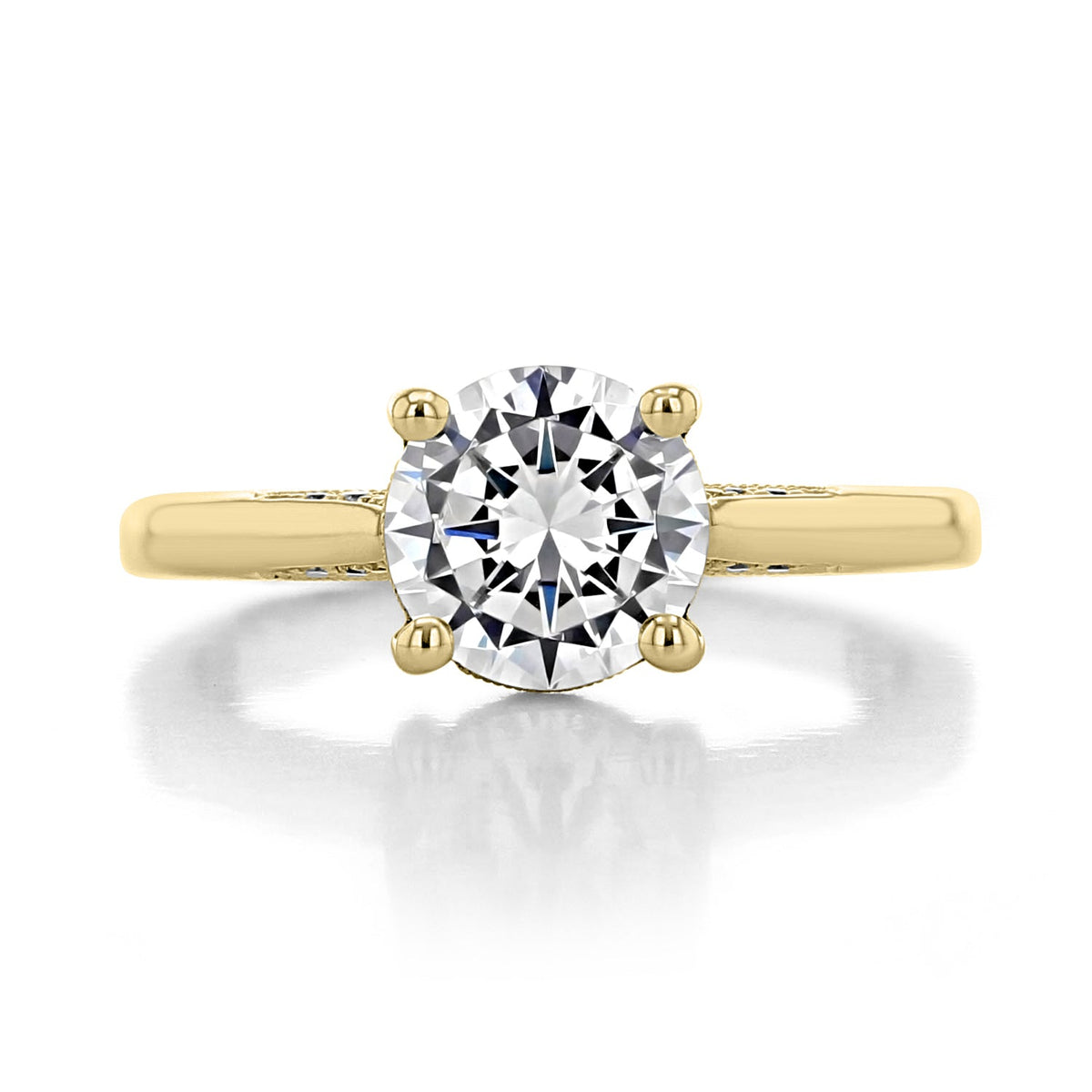
Yellow gold is the classic. It is warm, timeless, and has been the heirloom metal of choice for generations. Today it feels fresh again, especially with vintage-inspired and minimal settings.
- How it is made: Pure gold blended with copper and silver to keep its signature warmth.
- The look: 18k yellow gold is deep and buttery. 14k yellow gold is slightly lighter and brighter.
- Care: Low maintenance. A professional polish brings back its shine whenever you like.
- Pairs with: Warm and olive skin tones beautifully, and it makes white diamonds look extra bright by contrast.
Shop Yellow Gold Engagement Rings
White Gold
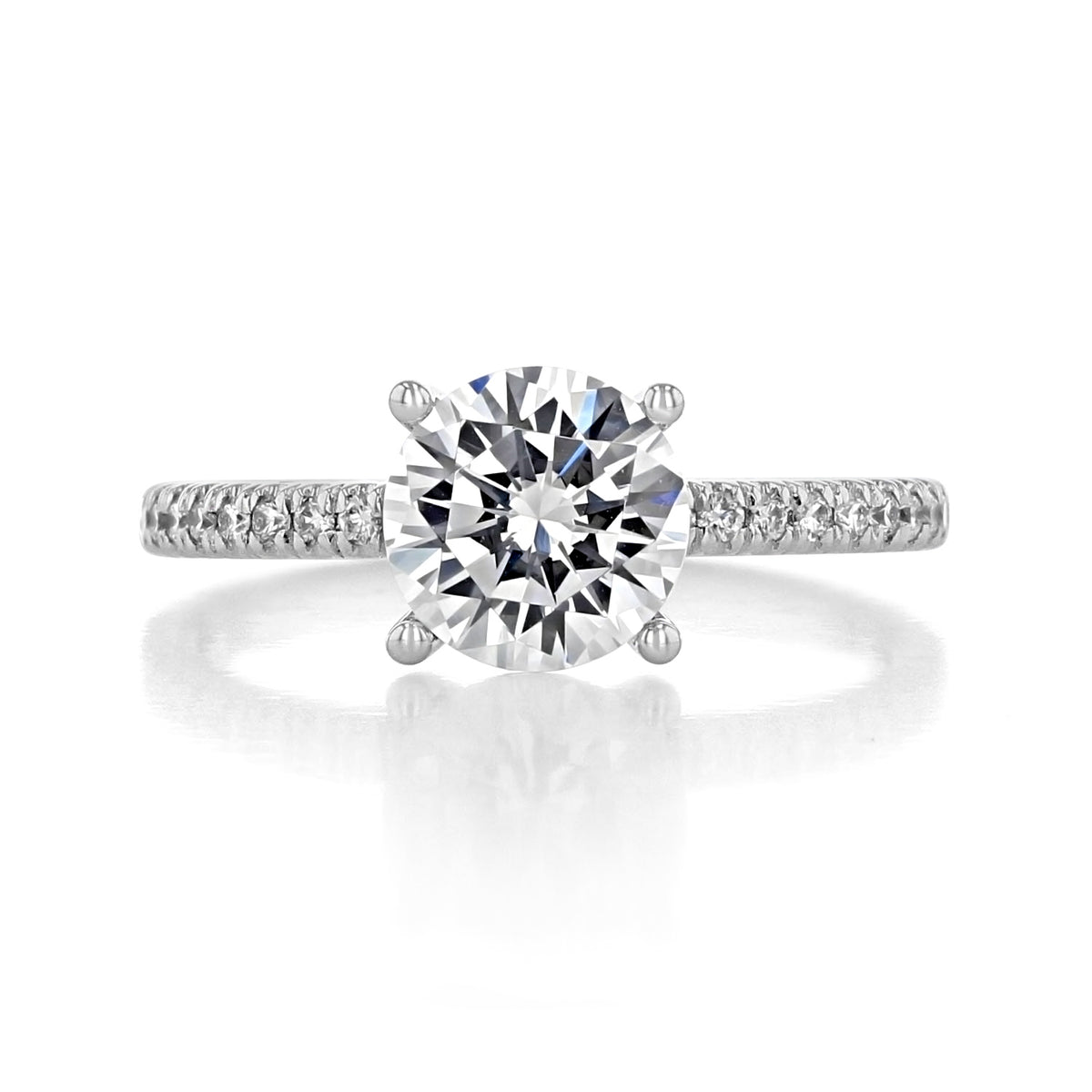
White gold delivers a crisp, bright finish that lets diamonds take center stage. It is a favorite for pavé bands and halo designs, where every sparkle should read clean and icy.
- How it is made: Gold alloyed with white metals such as palladium or silver, then finished with a rhodium plating for a brilliant white shine.
- The look: Cool and modern. Under its plating, gold keeps a faint warm undertone, which is completely normal.
- Care: Rhodium plating wears gradually with daily life. Plan on a quick re-plating every year or two to keep it bright.
- Good to know: Some white gold alloys contain nickel. If you have a nickel sensitivity, ask us about nickel-free options.
Shop White Gold Engagement Rings
Rose Gold
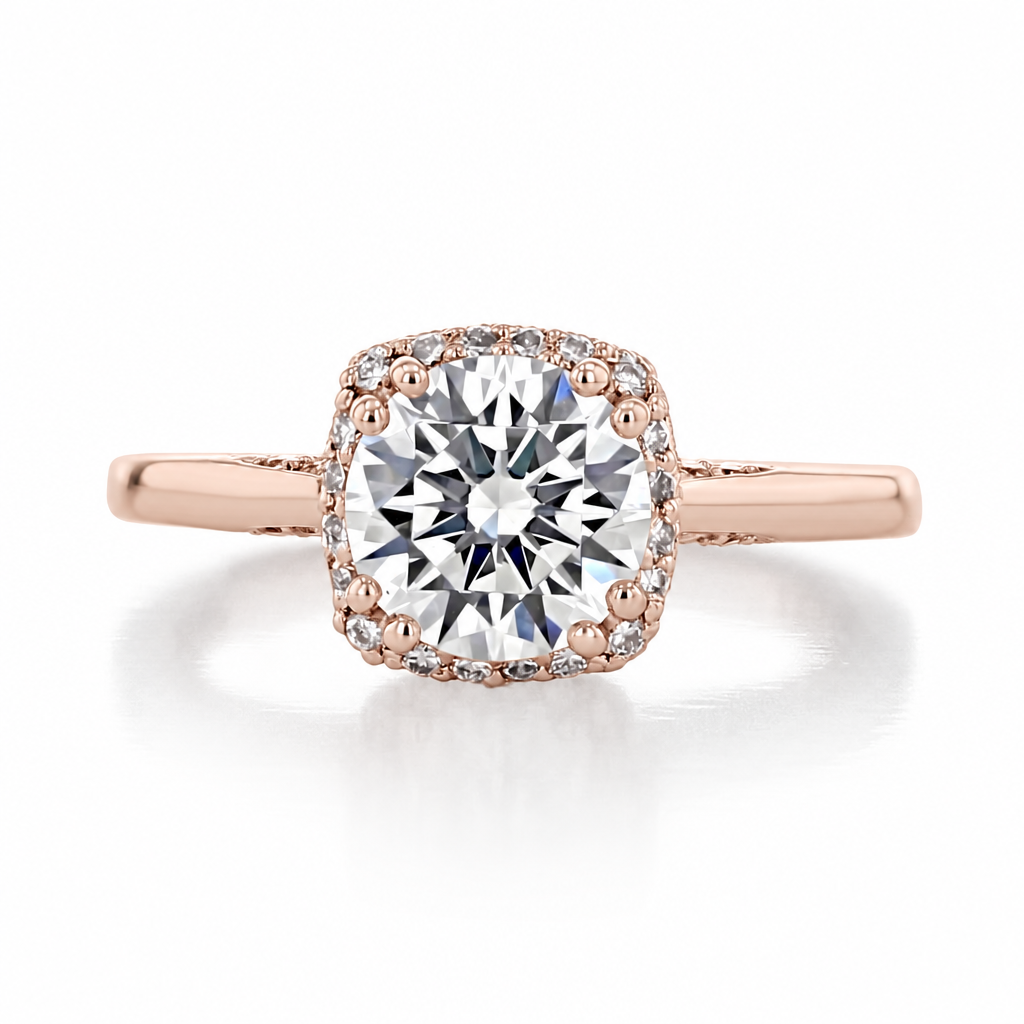
Rose gold is romantic with a modern edge. Its soft blush tone flatters nearly every skin tone and gives any setting instant personality. It is anything but basic.
- How it is made: Gold blended with copper, which creates its warm pink hue.
- The look: Here karat changes the color noticeably. 14k rose gold has more copper, so it reads pinker. 18k rose gold is softer and more peachy-gold.
- Care: Copper makes rose gold quite durable. Its color is part of the metal itself, so there is no plating to maintain.
- Good to know: Rose gold can deepen slightly in tone over time, adding to its vintage charm.
Shop Rose Gold Engagement Rings
Platinum
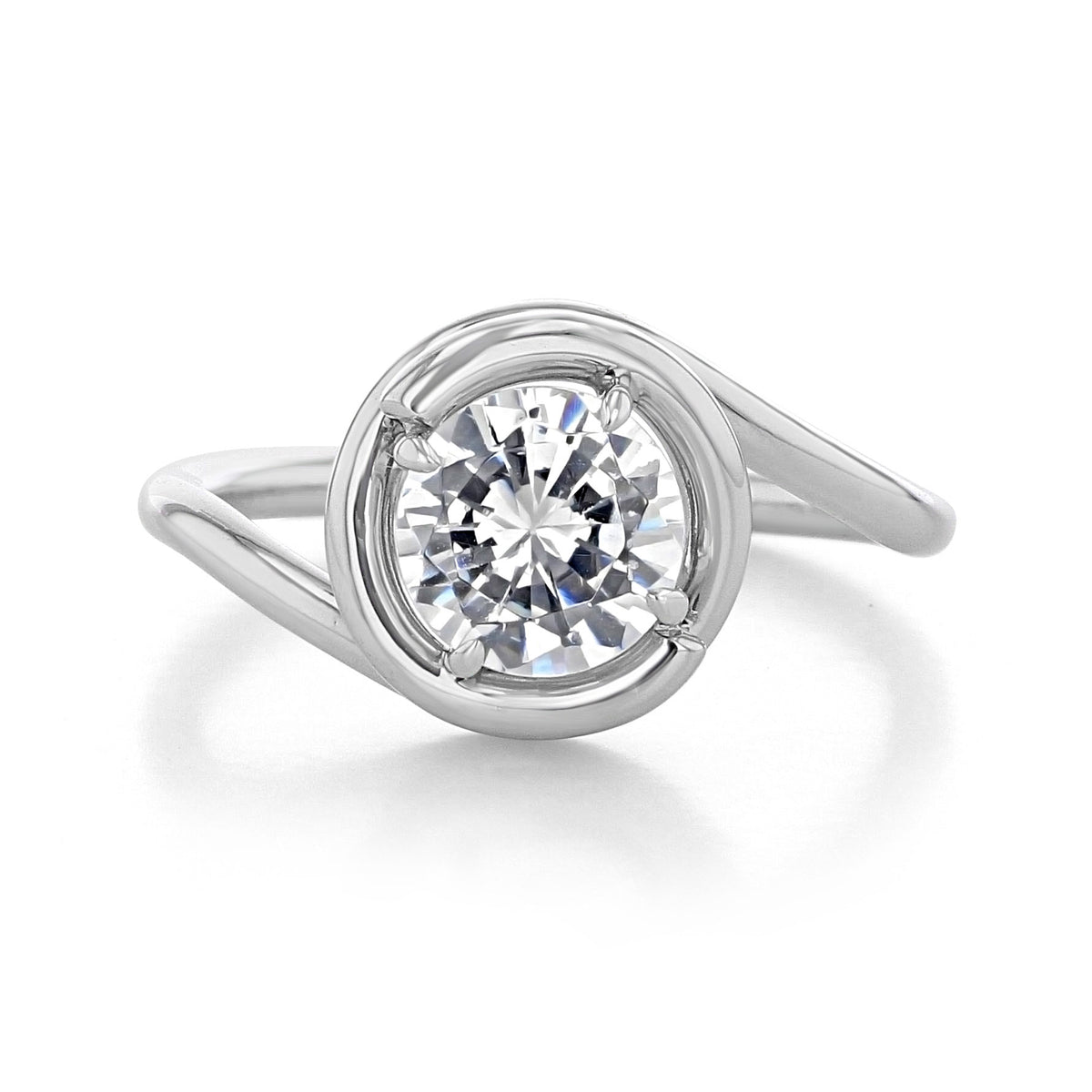
Platinum is the most enduring metal we offer. It is naturally white, so its color never fades or needs plating. It is built to be passed down.
- How it is made: Most platinum jewelry is about 95% pure, often stamped PLAT or 950.
- The look: A cool, silvery white that stays true for life.
- Durability: Platinum is dense and strong. When it scratches, the metal shifts rather than wearing away, so prongs hold your center stone securely for decades.
- Patina: Over time it develops a soft satin finish that many people love. A polish restores the high shine anytime.
- Good to know: Platinum is naturally hypoallergenic, making it a great pick for sensitive skin. Its density gives it a noticeably substantial feel and a higher price.
Shop Platinum Engagement Rings
Metals at a Glance
| Metal | Color | Maintenance | Best For |
|---|---|---|---|
| Yellow Gold | Warm, classic | Occasional polish | Timeless and vintage-inspired styles |
| White Gold | Bright, cool white | Rhodium re-plating every 1 to 2 years | Pavé, halos, and maximum sparkle |
| Rose Gold | Soft blush | Occasional polish | Romantic, statement-making looks |
| Platinum | Naturally white | Polish if you prefer high shine | Heirloom durability and sensitive skin |
Tips for Choosing Your Metal
- Think about your lifestyle. Active hands may love 14k gold or platinum for their resilience.
- Look at the jewelry you already wear. Your everyday favorites are a great clue to the tone you will love long term.
- Plan for the stack. Consider how your engagement ring and wedding band will sit together. Matching metals feel seamless, while mixed metals feel modern.
- Try them on. Metal color shifts with your skin tone and lighting. Seeing each one on your hand makes the choice clear.
See Every Metal in Person
The best way to find your metal is side by side, on your own hand. Visit our Downtown LA showroom and our team will walk you through each option, karat by karat. Whatever you choose, your ring is backed by our Lifetime Warranty, so it stays as beautiful as the day you said yes.